Soverli, a cybersecurity company spun out of ETH Zurich, has raised $2.6 million in pre-seed funding to introduce a new sovereign operating system layer designed to work alongside Android and iOS—without hardware changes, usability trade-offs, or ecosystem lock-in.
The funding round was led by Founderful, with participation from the ETH Zurich Foundation, Venture Kick, and leading cybersecurity experts. The round underscores growing momentum behind sovereign digital infrastructure as governments and enterprises reassess their dependence on opaque mobile operating systems.
Smartphones have become foundational infrastructure for governments, emergency services, journalists, and critical industries. Yet despite massive public investment in sovereign cloud and AI, mobile devices remain largely unauditable systems controlled by external vendors. Soverli addresses this gap by enabling a fully sovereign, auditable operating system to run in parallel with Android or iOS—on the same device, at the same time.
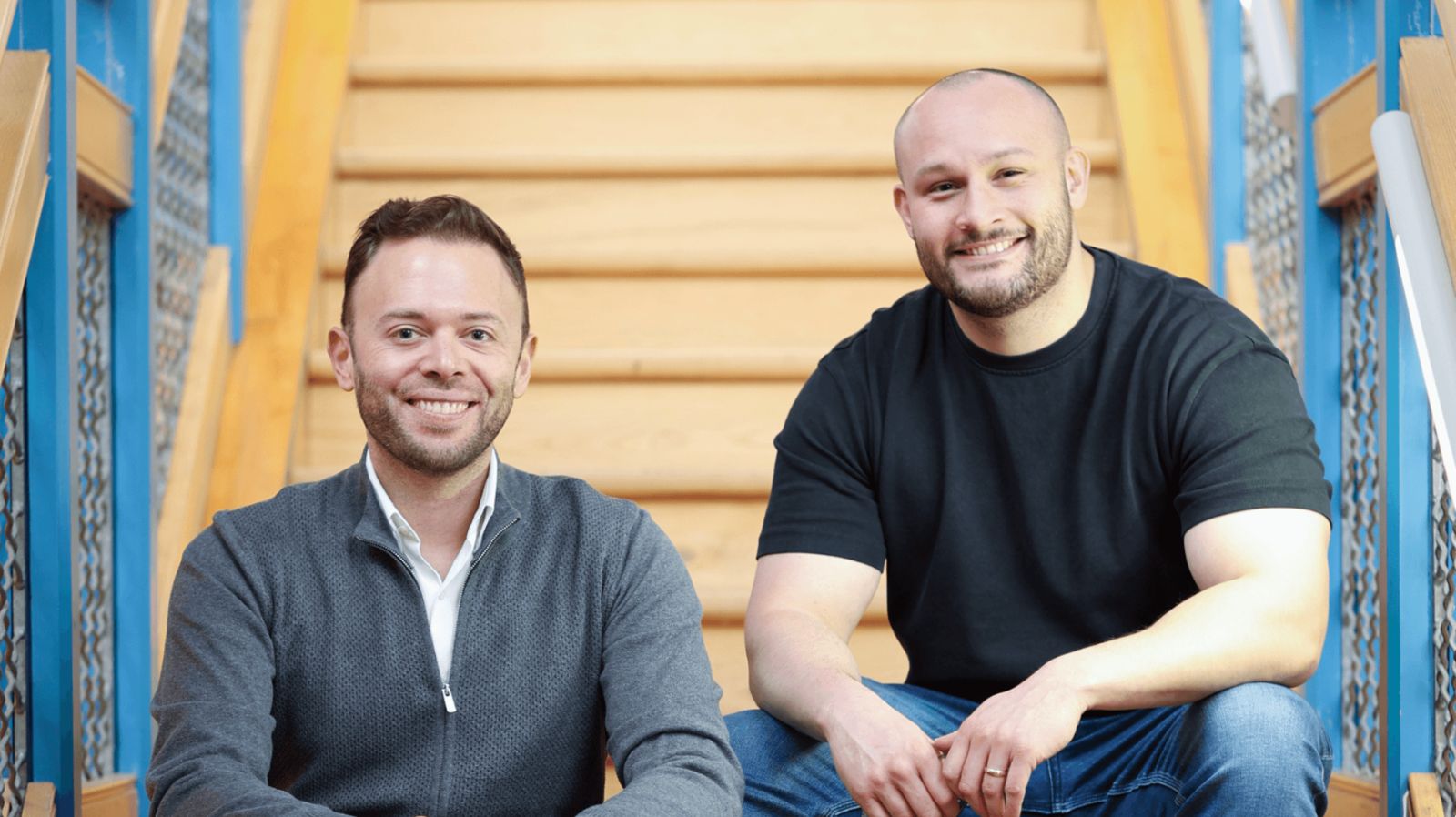
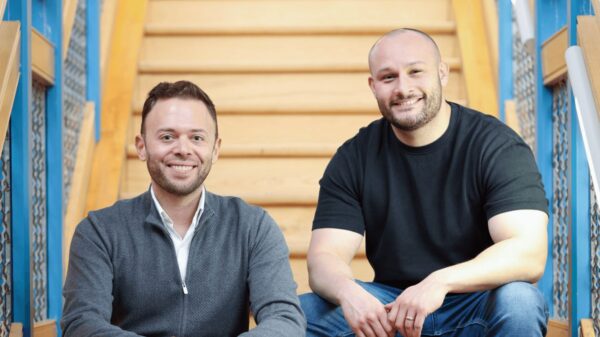
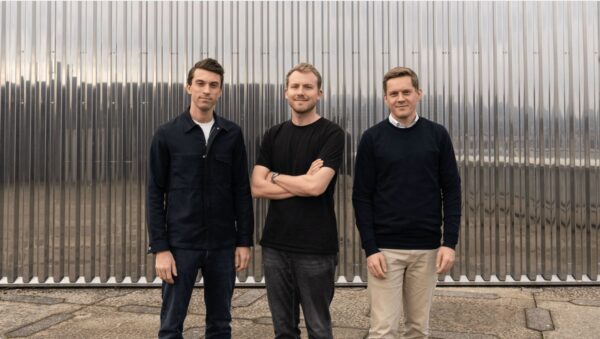
Co-founded by Ivan Puddu (CEO) and Moritz Schneider (CTO), Soverli is built on more than four years of research conducted at ETH Zurich. The company’s patent-pending methodology allows multiple operating systems to run simultaneously and in isolation on a single commercial smartphone, effectively transforming everyday devices into sovereign digital infrastructure.
“Availability is mission-critical, yet organizations still rely on operating systems they cannot control or audit,” said Ivan Puddu, Co-Founder and CEO of Soverli. “We built a fully auditable sovereign layer that remains operational even if Android is compromised—without forcing users to give up the modern smartphone experience they expect.”
To demonstrate its capabilities, Soverli showcased Signal running entirely within its sovereign OS. By isolating the app from Android and reducing the attack surface by a reported 500×, messages remain secure even if the primary operating system is compromised. Crucially, this level of protection requires no hardware modification, allowing deployment on existing commercial smartphones.
Unlike traditional secure-phone solutions that restrict apps or force users to reboot between operating systems, Soverli enables instant switching between environments—combining sovereign-grade security with full consumer usability. This architecture is already being piloted in public-sector environments where availability and continuity are critical, including emergency response and critical infrastructure operations.
“People deserve phones they can actually trust, and OEMs must deliver it,” said Antonia Albert, Investor at Founderful. “Soverli’s Swiss-made sovereign layer has the potential to fundamentally change how mobile security is delivered.”
With the new funding, Soverli plans to expand its engineering team, support additional smartphone models, deepen mobile device management integrations, and scale partnerships with OEMs and system integrators. Long term, the company aims to establish a new global standard for sovereign software layering on consumer hardware.
Editorial Perspective | The Times Magazine
From an industry standpoint, Soverli is addressing one of the most underexamined vulnerabilities in modern digital infrastructure: the smartphone operating system itself. While governments and enterprises invest heavily in sovereign cloud and secure networks, mobile endpoints remain a single point of failure—often beyond institutional control. Soverli introduces a model that does not replace consumer platforms, but strategically contains their risk.
What sets Soverli apart is its pragmatic approach to sovereignty. Rather than forcing users to abandon Android or iOS ecosystems, the company enables institutions and individuals to define their own trust boundary on top of existing devices. This balance between security, autonomy, and usability significantly lowers adoption barriers.
As digital sovereignty becomes a strategic priority across Europe and beyond, Soverli appears well positioned at the intersection of policy, infrastructure, and consumer technology. If broadly adopted, its architecture could redefine how trust, continuity, and control are implemented on the world’s most widely used computing platform: the smartphone.
If you need further assistance or have any corrections, please reach out to editor@thetimesmag.com.