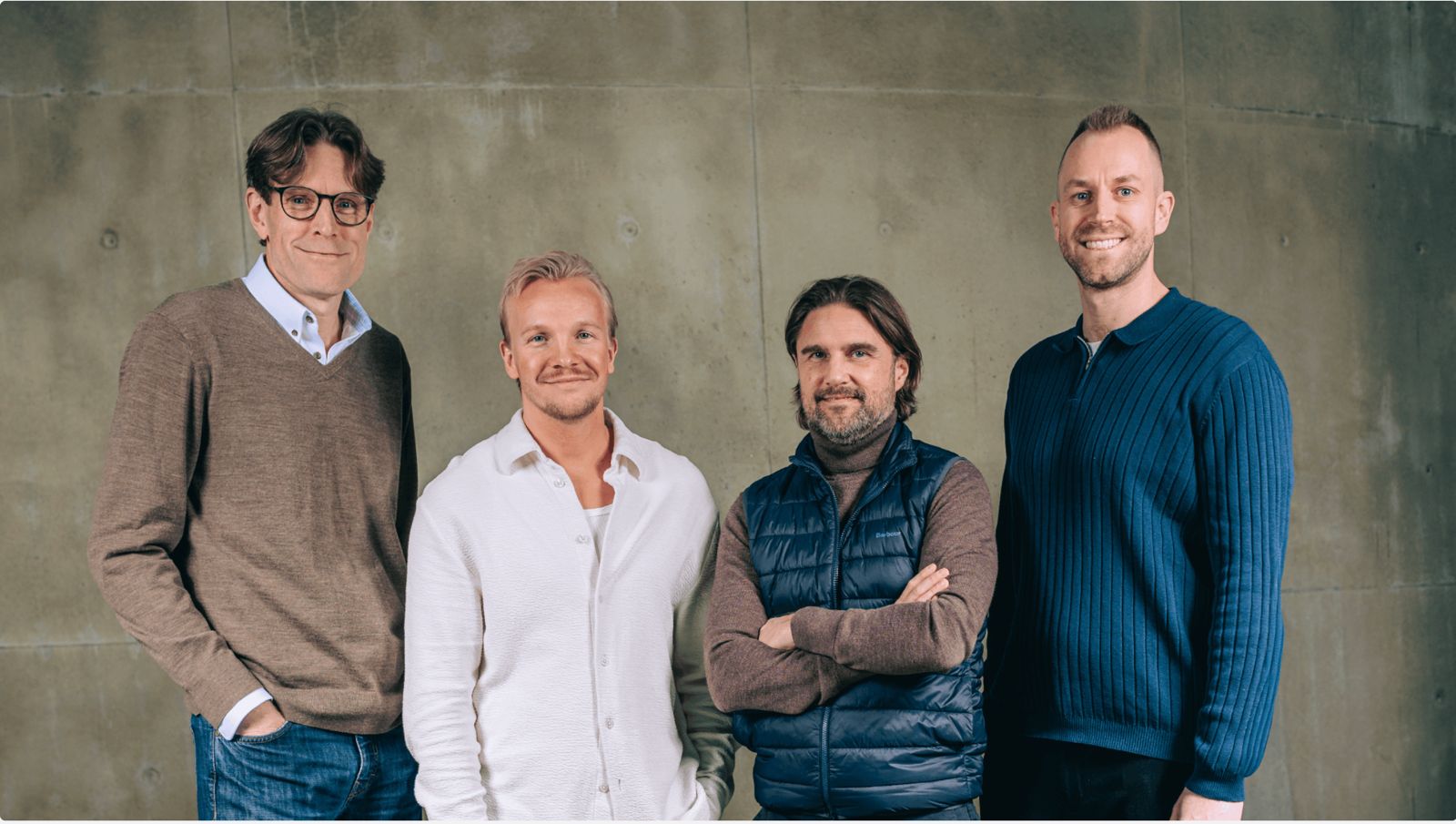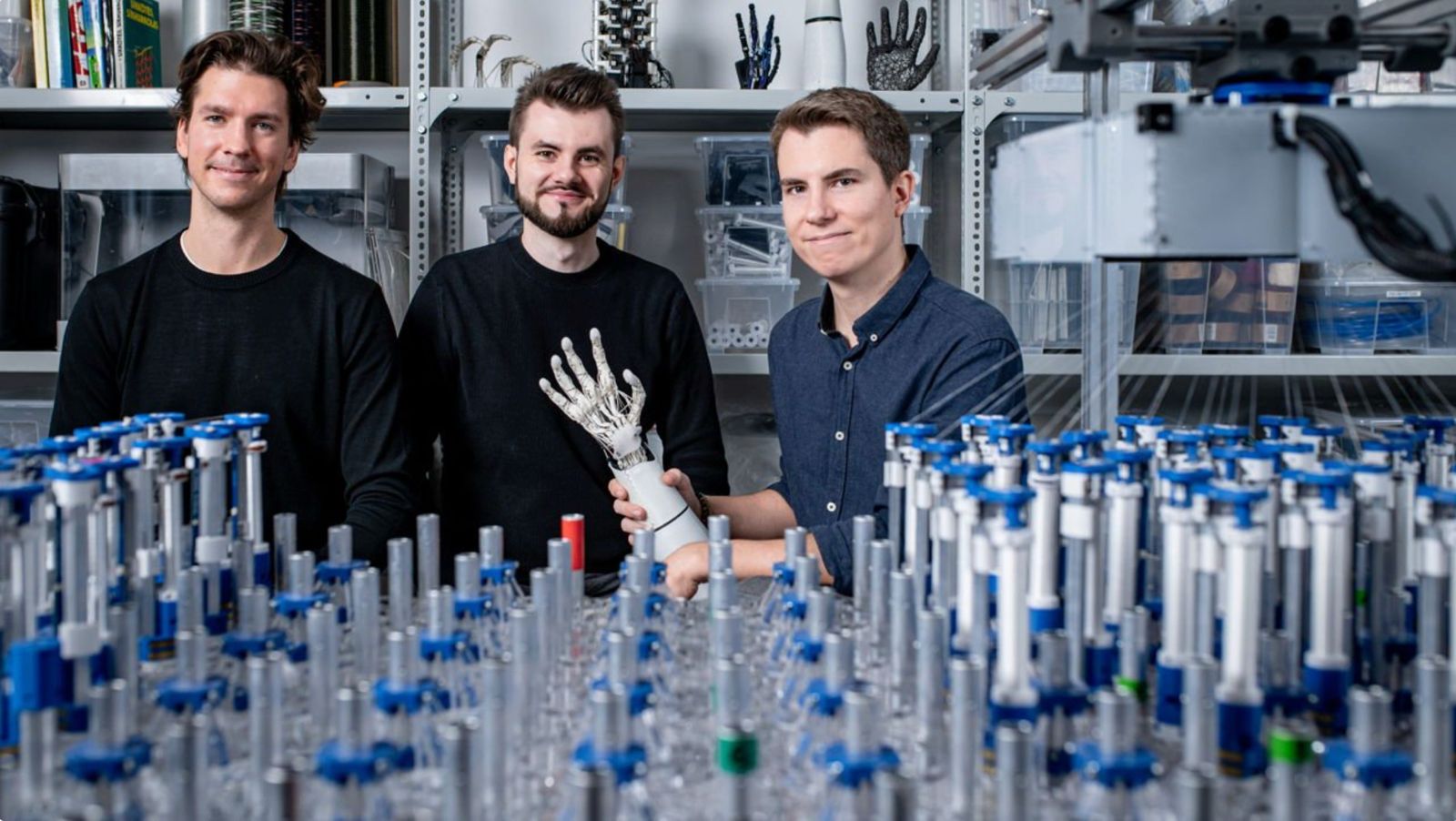



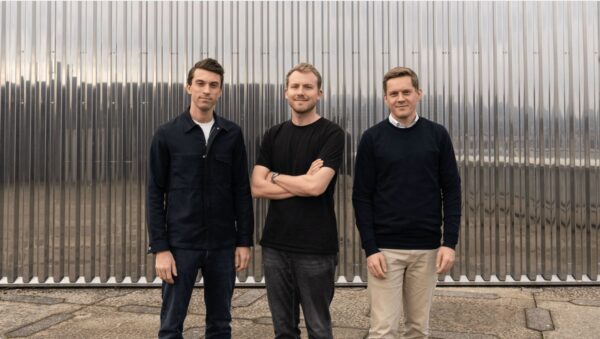
Navier, a San Francisco–based deep-technology startup, has raised $5.6 million in seed funding to launch what it calls the next major leap in hardware development: Agent-Driven Engineering (ADE). The round includes backing from GV (Google Ventures), HCVC, and Y Combinator, marking a strong vote of confidence from some of Silicon Valley’s most influential investors.
After operating in stealth, Navier is entering the public market with an ambitious thesis: engineering productivity is overdue for its third major transformation—following the advent of Computer-Aided Design (CAD) in the 1960s and simulation-driven virtual testing in the 1990s.
From CAD to Simulation—and Now, Autonomous Engineering Agents
Historically, each productivity shift in engineering has dramatically reduced overhead while expanding creative and technical capacity. CAD replaced manual drafting, while simulation tools enabled engineers to test ideas virtually before committing to physical builds.
Navier’s Agent-Driven Engineering represents the next evolution. Its AI agents automate the repetitive, cross-disciplinary workflows that still dominate engineers’ time—particularly the translation between design intent and engineering validation.
“Instead of spending hours setting up a simulation case, we can do that in minutes,” said Cameron Flannery, Founder and CEO of Navier. “That frees teams to focus on what humans do best: innovation, problem-solving, and building differentiated products.”
One Platform, Fewer Bottlenecks
Navier’s ADE platform integrates directly with existing CAD and simulation tools, allowing teams to maintain their established workflows while benefiting from automation across disciplines. Traditionally, companies have relied on fragmented software stacks—separate vendors for licenses, compute, simulations, and reporting—held together by manual coordination and tribal knowledge. The result is a system that reduces friction, eliminates costly handoffs, and enables even small teams to scale output dramatically.
Navier’s technology draws on proven systems developed by experts from SpaceX, Tesla, and Aurora, applying computer vision and spatial reasoning to interpret 3D geometry and align design concepts with engineering requirements automatically.
The platform enables continuous validation, running parallel simulations and generating automated reports that surface design-engineering mismatches early—before they turn into expensive delays.
Investor Perspective: A Structural Shift in Hardware Economics
For investors with deep operational experience, the value proposition is clear.
“Collaboration failures between design and engineering cost hardware companies millions in delays and failed iterations,” said Jerry Yang, General Partner at HCVC. “When AI handles the translation between disciplines, development cycles compress from months to weeks. That fundamentally changes the economics of hardware companies.”
Editorial Review: Why Navier Matters
The Times Magazine Editorial Take:
Navier is not simply adding AI to existing tools—it is redefining how engineering work is organized. By treating workflows themselves as automatable systems, the company positions ADE as a structural unlock rather than a productivity add-on.
Much like CAD reduced reliance on large drafting teams, Navier’s autonomous agents could enable lean engineering organizations to compete with legacy incumbents, particularly in capital-intensive sectors such as aerospace and automotive. If widely adopted, ADE may become a new baseline—quietly reshaping how hardware is designed, tested, and shipped.
The newly raised capital will be used to accelerate platform development and expand deployments across aerospace and automotive enterprises, industries where engineering delays carry outsized financial and strategic risk.
For more information, editorial inquiries, or submission suggestions, please contact the editorial team at editor@thetimesmag.com.