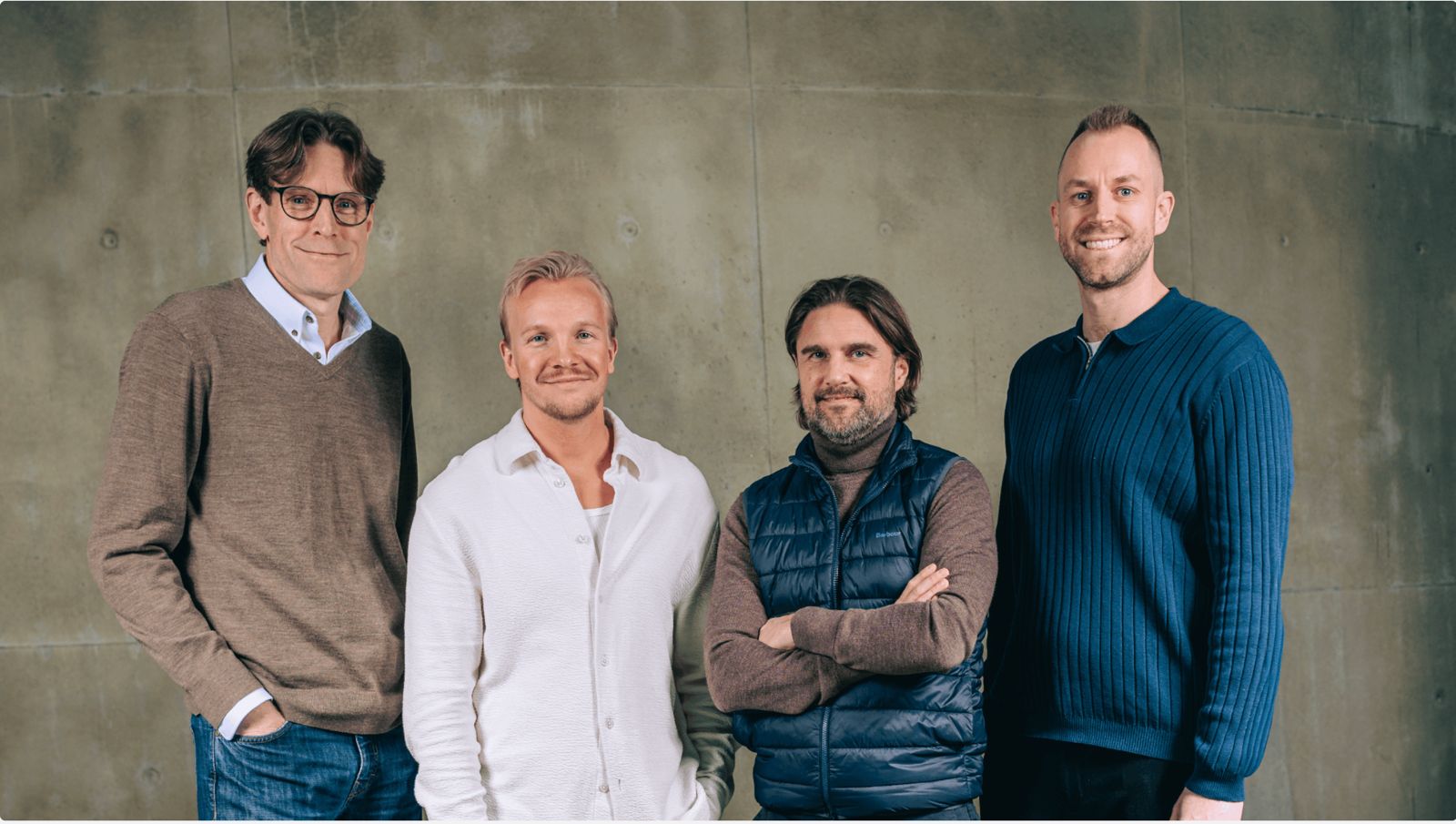



Attivare Therapeutics, Inc. has been awarded a $6.6 million grant from the Gates Foundation to accelerate development of a next-generation malaria vaccine designed for durability, affordability, and global accessibility. The funding supports advancement of the company’s proprietary ATTimmune™ bioscaffold platform, with a focus on populations in low- and middle-income countries where cold-chain logistics and repeat dosing present significant barriers to immunization.
The initiative centers on creating slow-release malaria vaccines capable of sustaining immune protection over extended periods. By reducing the need for frequent booster doses and minimizing infrastructure requirements, Attivare Therapeutics, Inc. aims to improve vaccine reach in regions where malaria remains endemic and disproportionately deadly, particularly among children.
“Our mission with this Gates Foundation funding is to harness the ATTimmune platform to create slow-release vaccines for critical global health needs,” said Dr. David Sherris, President and CEO of Attivare Therapeutics, Inc.. “By enabling precise, sustained release of antigens and adjuvants, we aim to extend vaccine-driven immunity, reduce dose frequency, and maximize access for underserved populations.”
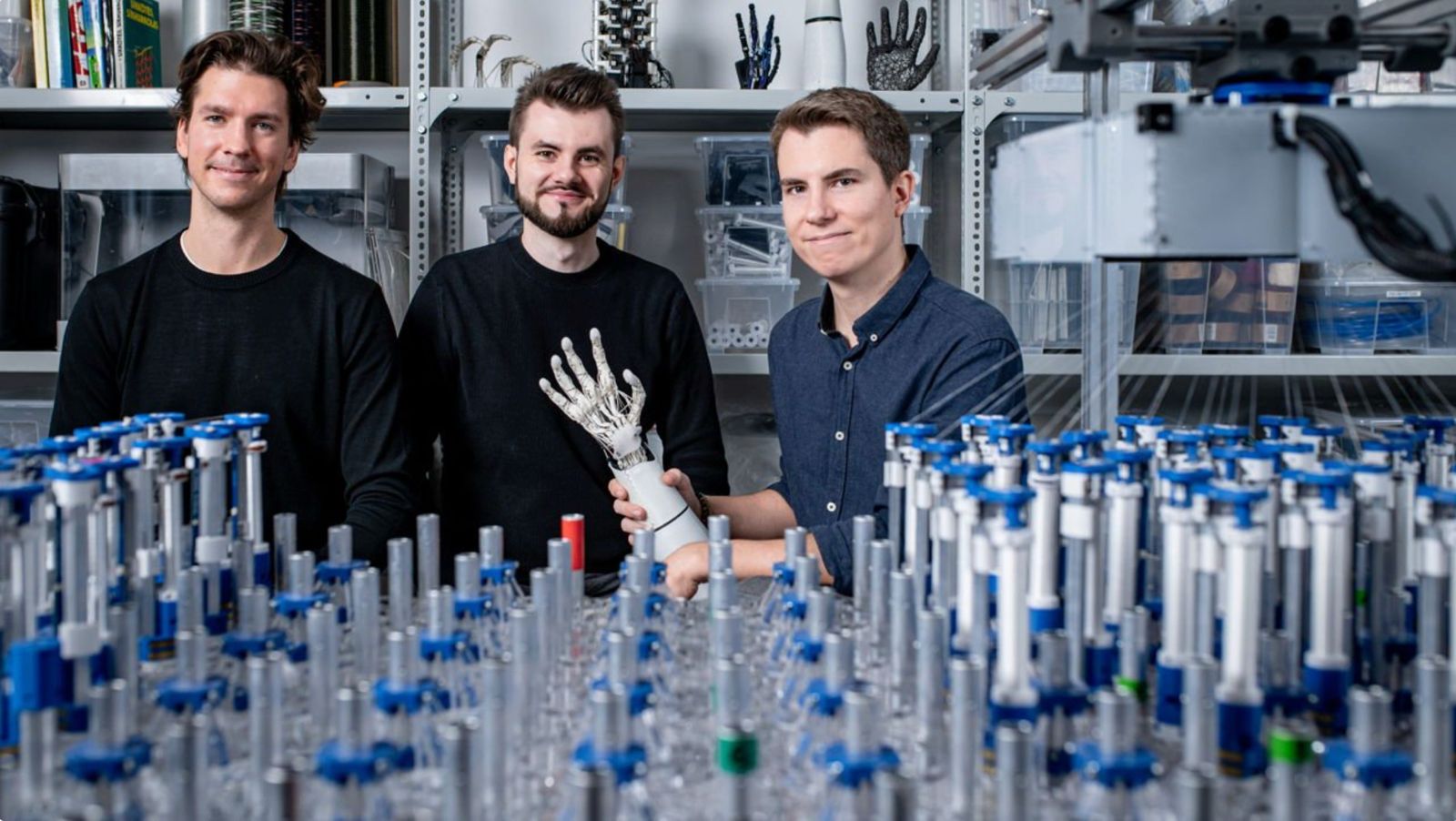
The ATTimmune™ platform is built on mesoporous silica rod (MSR) technology, licensed from bioengineer Dr. Dave Mooney of Harvard’s Wyss Institute. Once administered, the MSRs self-assemble in vivo, forming a three-dimensional immunological microenvironment that orchestrates immune-cell recruitment, activation, and modulation while delivering vaccine components in a controlled and sustained manner.
According to Dr. Mooney of Harvard’s Wyss Institute, the MSR technology has demonstrated versatility across oncology, autoimmunity, and infectious disease applications, including use in a clinical-stage cancer vaccine. The platform enables highly targeted immune responses through precise spatiotemporal control of bioactive molecules.
Dr. Sherris further emphasized that Attivare Therapeutics, Inc. benefits from the inherent biocompatibility and adaptability of ATTimmune, allowing vaccines to be tailored against evolving pathogens such as malaria while maintaining consistent dosing and long-term efficacy.
Malaria continues to rank among the world’s most devastating infectious diseases, with eradication efforts hindered by vaccine durability, distribution challenges, and infrastructure limitations. Long-acting vaccines capable of maintaining immunity without repeated administration are increasingly viewed as a cornerstone of sustainable malaria control strategies.
Editorial Perspective | The Times Magazine
From an industry standpoint, Attivare Therapeutics, Inc. represents a thoughtful convergence of biomaterials engineering and global health priorities. Rather than incrementally improving existing vaccine formulations, the company is addressing one of the most persistent barriers in immunization: durability of immune protection in real-world settings.
What distinguishes Attivare Therapeutics, Inc. is its focus on deployability alongside efficacy. By designing vaccines that function effectively without heavy reliance on cold-chain logistics or frequent boosters, the company aligns scientific innovation with on-the-ground realities in malaria-endemic regions.
The backing of the Gates Foundation further underscores the platform’s relevance to global health impact at scale. If clinical proof-of-concept studies validate early indications of extended immunity, Attivare Therapeutics, Inc. could help redefine how vaccines are engineered for infectious diseases beyond malaria, setting a precedent for durable, infrastructure-resilient immunization technologies.
If you need further assistance or have any corrections, please reach out to editor@thetimesmag.com.