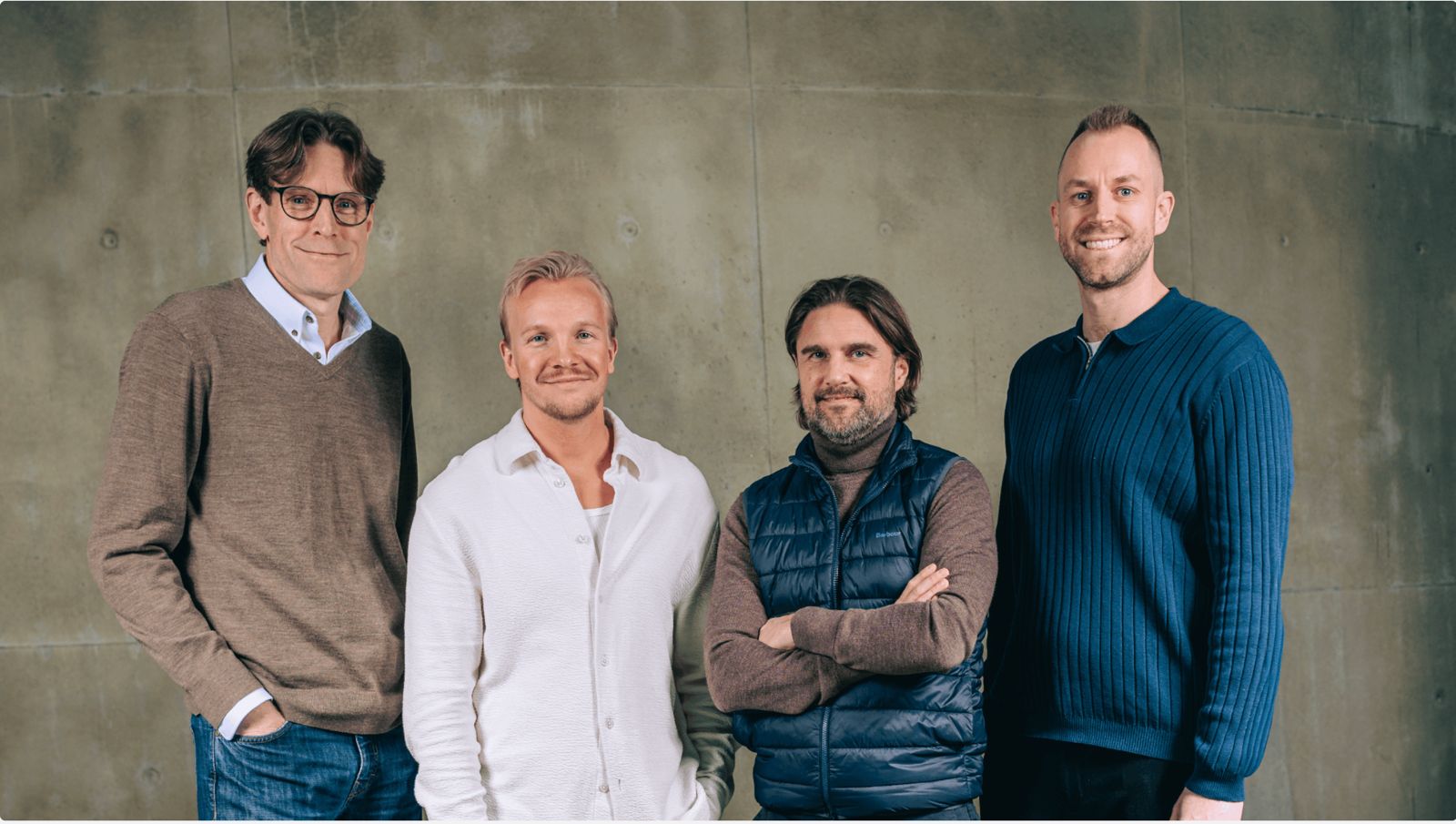





The American healthcare benefits landscape is at an inflection point, with small- to medium-sized businesses (SMBs) facing the stark reality of double-digit premium hikes—the largest rate increases in 15 years. This daunting backdrop has made the financial and operational model of the traditional health insurer obsolete, paving the way for a new breed of technology-native carriers. Into this breach steps Angle Health, which today announced an oversubscribed $134 million Series B round, combining debt and equity, to capitalize on the systemic breakdown of legacy insurance infrastructure.
The financing, which swells Angle Health’s total capital raised to nearly $200 million, was led by Portage, a global investment platform specializing in fintech and financial services. It drew significant backing from a cohort of major investors, including Blumberg Capital, Mighty Capital, PruVen Capital, SixThirty Ventures, TSVC, Wing VC, and Y Combinator.
Founded by former Palantir engineers Ty Wang and Anirban Gangopadhyay, Angle Health is not just another platform; it is a vertically-integrated, licensed insurer operating across 44 states. The platform’s proprietary AI models, trained on millions of de-identified patient records, integrate medical, pharmacy, and demographic data to achieve what traditional carriers cannot: highly accurate risk prediction and personalized preventative intervention.
This technological edge has translated directly into remarkable commercial traction. Since its Series A, Angle Health has multiplied its topline revenue by a staggering 26x, expanded its employer base to over 3,000, and maintained an industry-leading customer renewal rate above 80%. Critically, the platform reports median rate increases that are 36% lower than the industry median for small businesses, providing a verifiable path to cost stabilization for the nearly 62 million employees working for SMBs.
“The healthcare benefits ecosystem wasn’t designed for the small-to-medium-sized businesses that employ nearly half of America’s workforce, and legacy technology can’t deliver on the efficiencies and savings unlocked by AI,” said Ty Wang, co-founder and CEO of Angle Health. “We’re rebuilding healthcare infrastructure and care pathways to give all employers access to the comprehensive benefits historically reserved for large enterprises.”
The seamless experience extends to the broker ecosystem via the Angle Benefit Builder, which allows brokers to generate fully underwritten quotes on custom plan designs in minutes, a process that traditionally takes weeks and often requires arduous individual health surveys.
Ricky Lai, General Partner at Portage, championed this fusion of technology and finance. “The Angle team is taking a novel approach to one of the biggest challenges facing employers today: how to provide employees with quality healthcare access while keeping costs in check. They are using human-centered AI to rebuild the operational and financial infrastructure behind healthcare benefits.”
Editorial Outlook: The Vertical Stack and the Power of Predictive Health
The Angle Health narrative is compelling because it demonstrates the potent economic advantage of vertical integration in a sclerotic industry. Unlike most InsurTech platforms that merely layer technology onto incumbent carriers, Angle Health controls the entire stack—from underwriting and claims administration to member engagement. This control allows their core differentiation, the AI-powered predictive risk model, to be fully operationalized across the entire member journey. The reported 36% lower median rate increases are the commercial evidence that this model works, shifting the cost dynamic from reactive payment processing to proactive risk management.
Furthermore, Angle Health’s focus on the SMB market is strategic genius. This demographic is notoriously underserved by major carriers, who often treat them as a high-risk liability. By providing SMBs with the transparency, customization, and cost stabilization tools previously exclusive to large corporations, Angle Health is not just selling insurance; it is selling a competitive advantage in employee retention. The success metrics—the 26x revenue growth and the high renewal rate—suggest this offering resonates deeply with brokers and employers navigating America’s healthcare crisis. As regulations continue to incentivize value-based care and transparency, Angle Health is uniquely positioned to translate data-driven insight into bottom-line financial savings, making them a formidable force against legacy health benefits providers.
If you need further assistance or have any corrections, please reach out to editor@thetimesmag.com. for more such article visit www.thetimesmag.com