


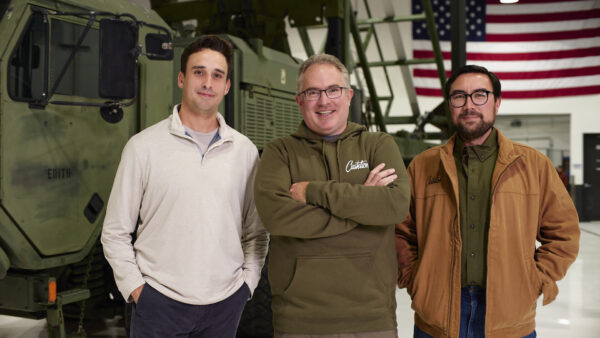

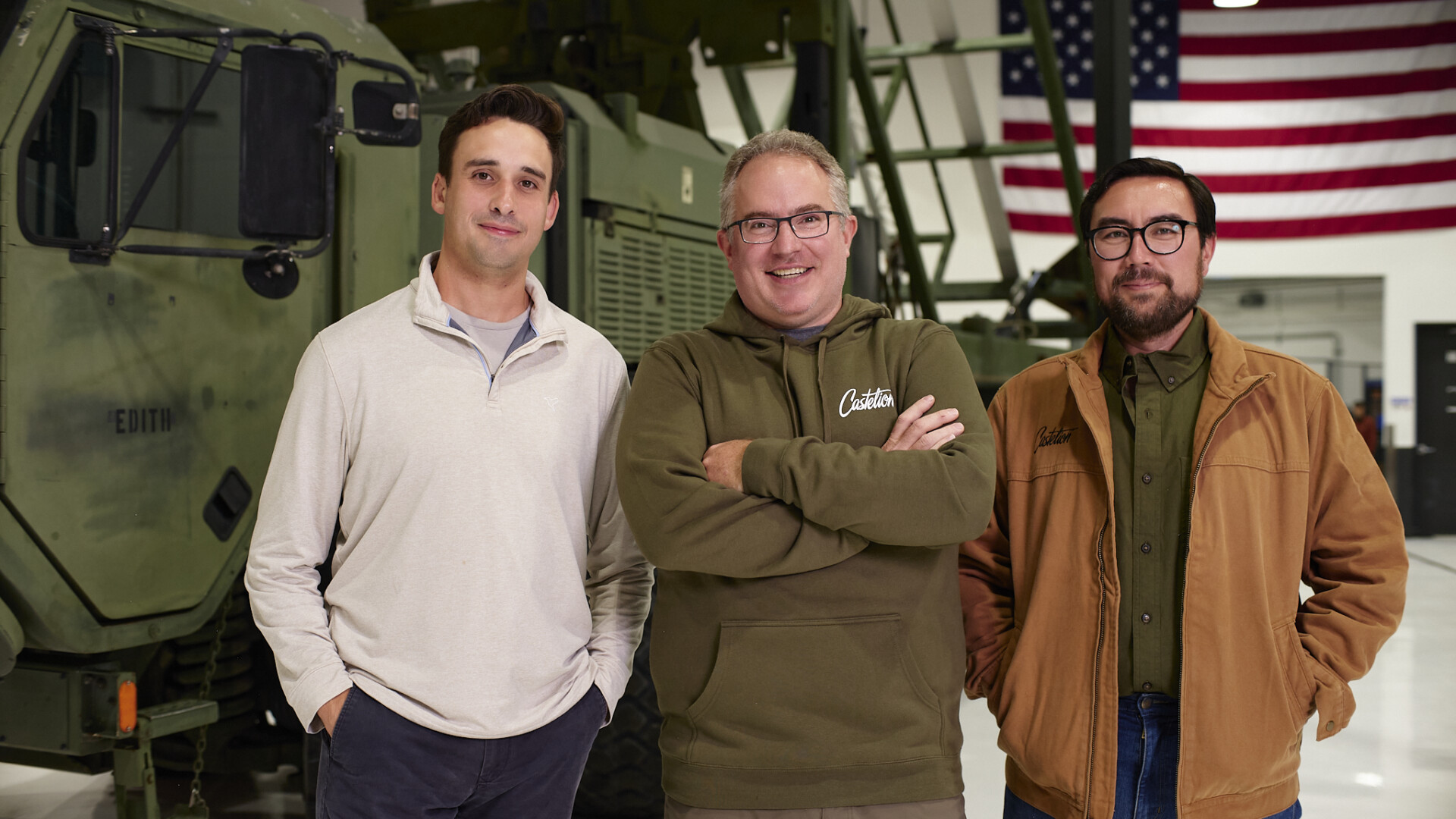
Hypersonic weapons developer Castelion has secured $350 million in Series B funding, strengthening U.S. efforts to produce cost-efficient hypersonic systems at industrial scale as geopolitical competition with China and Russia intensifies.
The round was led by Altimeter Capital and Lightspeed Venture Partners, with additional participation from Lavrock Ventures, Andreessen Horowitz, General Catalyst, First In, Space VC, Cantos, BlueYard, Avenir, Champion Hill and Interlagos.
Bryon Hargis, CEO and Co-Founder of Castelion, said the new funding will allow the company to “build fast, test often, and produce at volumes that matter in the real world,” adding that its first hypersonic system, Blackbeard, was purpose-built to close the U.S. capability gap with rival nations.
Expansion and Production at Project Ranger
A significant portion of the new capital will accelerate development at Project Ranger, the company’s 1,000-acre production campus in Sandoval County, New Mexico. The site is being prepared to manufacture thousands of Blackbeard missiles per year, anchoring a domestic supply chain and supporting hundreds of high-skilled jobs across the region.
Beyond the facility build-out, Castelion expects 2026 to feature high-tempo test campaigns and integration of Blackbeard across U.S. Army and Navy launch platforms. The company is also advancing a second hypersonic product line built around cost-efficient shared subsystems.
Investor Confidence in Scaled, Affordable Defense Systems
“Castelion was founded by a special team of SpaceX alumni who, in just 2.5 years, took a clean-sheet hypersonic from concept to 25+ flight tests and major integration contracts,” said Erik Kriessmann, Partner at Altimeter Capital. “We’re leading this round because they can scale one of the Pentagon’s most critical capabilities: affordable, mass-produced hypersonics.”
“Castelion isn’t just building missiles; they’re rebuilding America’s industrial depth,” added Connor Love, Partner at Lightspeed Venture Partners. “Their speed from blank-sheet design to real hardware has changed expectations in defense.”
Alex Poulin, Partner at Lavrock Ventures, emphasized that “hypersonics only matter if you can build them at scale,” while Katherine Boyle of Andreessen Horowitz noted that capacity “will shape great-power competition for generations.”
Paul Kwan, Managing Director at General Catalyst, said cost-efficient hypersonics at scale represent “a pace and cost the U.S. has never achieved.”
Testing Tempo and Cost Innovation
In 2025, Castelion conducted more than 20 development tests, validating internal rocket motors, guidance systems, thermal protection materials and mission software. Its strategy prioritizes rapid design cycles and low-cost architectures—a break from the traditional slow-build, high-cost approach that has historically constrained hypersonic programs.
Editorial Analysis: Why Castelion Is Poised to Shift the Defense Landscape
The most meaningful aspect of Castelion’s rise is not just its weapons platform but the industrial model it promotes. By designing for manufacturability from day one, the company has challenged long-established norms in defense production, where small volumes and high costs were once assumed to be unavoidable.
Its founders — a mix of SpaceX-trained engineers and seasoned defense specialists — have infused the organization with a culture of speed, iteration, and cost discipline. This matters profoundly: in the hypersonic domain, capability without production scale fails to achieve deterrence, and production without affordability becomes strategically irrelevant.
At a time when U.S. supply chains are stretched thin and global rivals have already deployed hypersonic systems at volume, Castelion is emerging as one of the few companies tackling all three pillars simultaneously: cost, speed, and scale. The company’s momentum, diversified investor base, and cross-service integration roadmap suggest it could become a cornerstone of America’s next-generation defense manufacturing base.
If it continues on its present trajectory, Castelion may represent one of the most consequential shifts in industrial defense capacity in over a decade.
If you need further assistance or have any corrections, please reach out to editor@thetimesmag.com.