




Multifactor, a leading Y Combinator (F25) graduate specializing in post-quantum security, today announced it has secured $15 million in seed funding. The oversubscribed round was led by Nexus Venture Partners, signifying surging investor demand for technology that enables provably safe and shareable access to online accounts in the burgeoning era of agentic Artificial Intelligence (AI).
The funding validation follows strong early traction for Multifactor’s pioneering platform, which fundamentally redesigns online access. Its technology allows users to transform any online account—from banking platforms and email to enterprise systems—into a secure, revocable ‘read-only’ link, akin to sharing a Google Docs file. Crucially, this method ensures that underlying passwords and credentials are never exposed, making it uniquely suited for collaboration with both human assistants and autonomous AI agents.
The core technology offers fine-grained, capability-based access controls, allowing permissions to be set by feature, dollar amount, or restricted to view-only. Every action is cryptographically signed and audited, all protected by Multifactor’s mathematically unbreakable, post-quantum security framework.
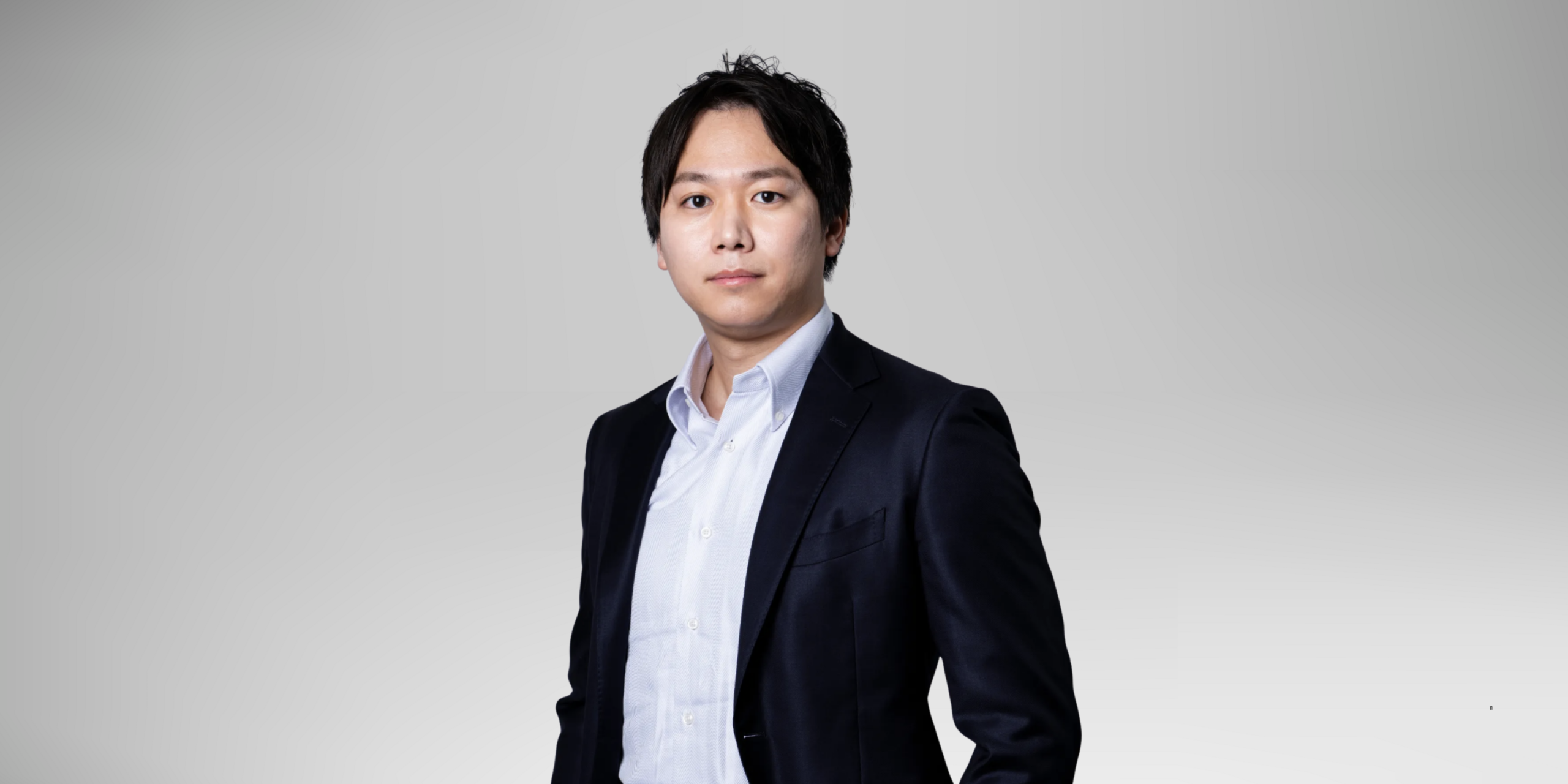
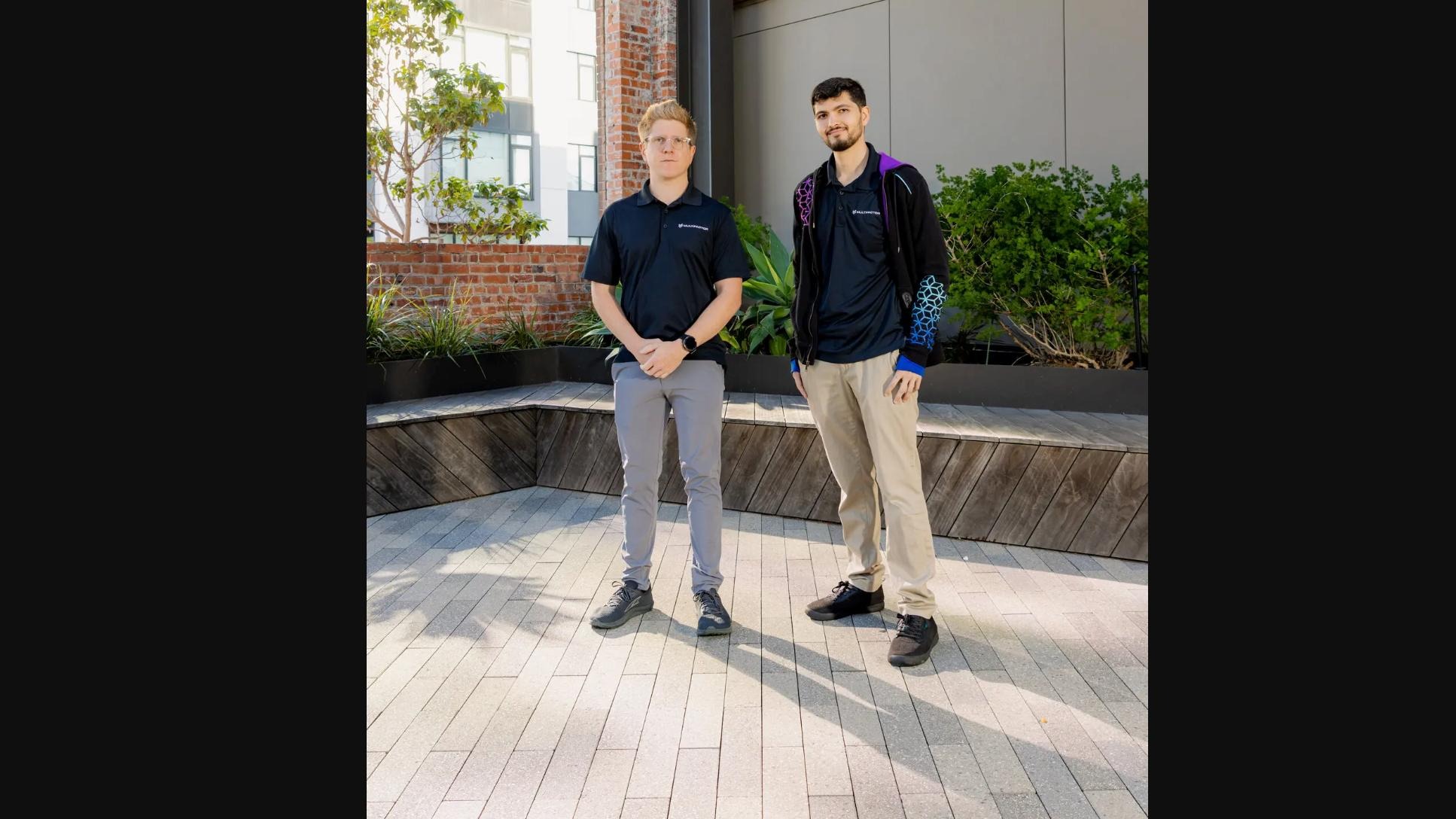
Multifactor was founded by Ph.D. computer scientist and former CIA officer Vivek Nair, and Ph.D. mathematician and cryptographer Colin Roberts. Their platform was purpose-built to address the novel security risks—including prompt injection, confused-deputy, and cross-agent hijacking attacks—created by the rapid rise of agentic AI.
Vivek Nair, CEO and co-founder of Multifactor, underscored the urgency: “Passwords were never built for the agentic era, and they’re becoming the most fragile link in modern security. People aren’t going to hand AI agents the keys to their calendars, finances, or business systems unless they have complete confidence nothing will go wrong. Multifactor is the easiest, safest, and most verifiable way to collaborate with both humans and AI with security guarantees that are mathematically unbreakable.”
The company’s security architecture is rooted in a decade of advanced cybersecurity research, informed by the founders’ experience deploying high-risk defensive tooling in national security environments.
The round saw strong participation from influential investors, including Y Combinator, Taurus Ventures, Honeystone Ventures, Flex Capital, Pioneer Fund (Note: The provided search result is for a mutual fund; assuming the reference is to a startup/VC Pioneer Fund), Ritual Capital, and Liquid2 Ventures. Leading operators such as Mohan & Padma Warrior, Gokul Rajaram, and Mathilde Collin also participated.
Abhishek Sharma, Managing Director at Nexus Venture Partners, highlighted the foundational importance of the platform: “Multifactor is solving a multi-billion-dollar problem. Adoption of any new technology starts with trust. That, ultimately, is what Multifactor is bringing to the table. They’re creating trust. And by doing that, they’re eliminating one of the most significant barriers to mainstream adoption of agentic AI.”
💡 Editorial View: The Unbreakable Link Between AI and Zero-Trust Security
The successful seed round for Multifactor marks a critical early investment in securing the inevitable agentic future. As AI models evolve from simple tools into autonomous agents capable of executing complex, multi-step tasks across a user’s digital life, the traditional, password-centric model of identity becomes a catastrophic liability. Multifactor’s innovation—moving from mere credential protection to capability-based authorization—is a necessary paradigm shift for the AI era.
The company’s approach, which provides “provably safe” execution environments for agents, addresses the core fear that prevents mass adoption of autonomous AI: the risk of an agent mishandling, overstepping its bounds, or being hijacked. By enabling users to grant only the precise permissions required (e.g., “read-only access to a specific financial ledger” versus “full account credentials”), Multifactor operationalizes the principle of Zero Trust to its most literal and granular extent. The founders’ background in high-risk cybersecurity environments provides a deep, practical understanding of adversarial threats, positioning Multifactor as an essential enabling layer. This is not just a security upgrade; it is the fundamental infrastructure required for a safe, scalable, and trustworthy coexistence with the next generation of AI agents.
If you need further assistance or have any corrections, please reach out to editor@thetimesmag.com.